
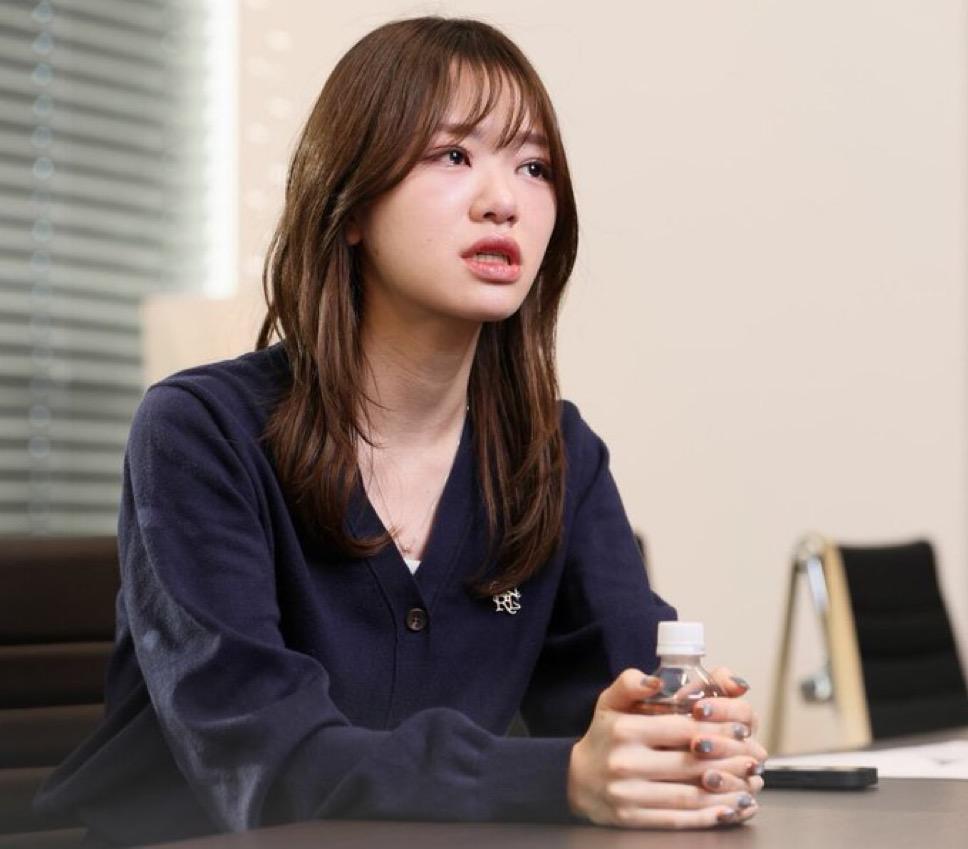

Former ME:I member Kato Kokoro (formerly known in the group as COCORO) has spoken publicly for the first time in depth about the circumstances surrounding her hiatus and eventual departure—alleging that her situation was misrepresented by management and that key public narratives about her health and exit did not match her own understanding.
The story has quickly become one of the most discussed idol-management controversies in Japan this month, not just because of the allegations, but because it involves formal statements issued via her attorneys and an unusually direct corporate denial from the agency.
Quick context: Who is ME:I, and why her departure hit so hard?
ME:I is an 11-member girl group formed through PRODUCE 101 JAPAN THE GIRLS under LAPONE GIRLS.
They debuted with their first single “MIRAI” in April 2024.
Because groups born from the Produce-style system are often framed as long-term projects, news that multiple members would exit at the end of 2025 shocked fans. Wikipedia and other summaries list Kato Kokoro, Ran Ishii, Shizuku Iida, and Kokona Sasaki as members who left on December 31, 2025.
The timeline: What happened (as reported)
March 2025: Hiatus announcement framed as health-related
A major turning point is the public announcement made on March 29, 2025, when the agency stated Kato would suspend activities due to illness/health reasons.
December 2025: Contract ends and departure is finalized
Kato’s contract expired at the end of 2025, and she departed the group alongside three other members on December 31, 2025.
January 2026: Kato’s side speaks, and the agency pushes back
In mid-January 2026, Japanese outlet Shūkan Bunshun (Bunshun Online) published coverage describing Kato’s account of her hiatus and departure, including her claim that she never asked to stop activities and that she felt the “illness” narrative was not truthful.
On January 16, Kato and her attorneys also provided a detailed response to ENCOUNT, explaining why she chose to issue statements and what they claim their review of the facts shows.
What Kato Kokoro is alleging
1) “I never asked to take a break” — and claims the public framing wasn’t her choice
Bunshun Online reports Kato saying she never once said she wanted to rest, and alleges the “illness” framing was not presented as her own decision.
This is the core of the “misrepresentation” claim: not simply that she was struggling (or not), but that the official explanation did not reflect what she believes happened or what she wanted communicated.
2) Her lawyers say her health was “good,” disputing the basis of the hiatus
ENCOUNT’s report states that Kato and her attorneys, presenting what they call “investigation results,” denied the March 29, 2025 sick-leave explanation and asserted her health condition was good.
Bunshun Online similarly notes the attorneys’ claim that medical documentation recorded her condition as good.
3) Investigation focus: how “under a doctor’s diagnosis” became the official line
One of the most consequential details is that Kato’s legal team says they are carefully investigating how information was conveyed internally—specifically, the pathway by which the company’s statement referencing a doctor’s diagnosis was formed.
In other words, the dispute isn’t only about how fans interpreted “health reasons,” but about how the agency justified its statement and who inside the organization drove that narrative.
4) Denial of misconduct rumors and requests to remove articles
Both TokyoReporter and ENCOUNT mention that Kato (through her lawyer) also denied reports framing her departure around bad behavior or being “fired,” and that her side has requested deletion of such reporting—warning legal action may be considered if her reputation is not restored.
This matters because, in idol culture, “health hiatus” can easily mutate into speculation—sometimes harsh, sometimes career-damaging—especially when companies keep details vague. Her team’s move suggests they view the rumor cycle itself as part of the harm.
What the agency (LAPONE GIRLS) has said
LAPONE GIRLS has not addressed each allegation point-by-point publicly, but has denied the overall accuracy of claims reported in media coverage.
Bunshun Online reports the agency stating that the article includes parts that differ from fact, while declining detailed comment due to contractual and privacy concerns.
TokyoReporter similarly quotes the agency position: that certain statements are “not factual,” and that they will refrain from further comment for contractual and privacy reasons—while apologizing to fans for concern and emphasizing continued support for the members’ working environment.
The result is a classic credibility standoff:
-
Kato’s side: named allegations + lawyer-backed statements + “investigation results” framing.
-
Agency side: broad denial + limited detail due to privacy/contract.
Why this became such a big story (beyond fandom drama)
1) It’s not just “he said, she said”—lawyers are involved
Kato’s statements weren’t casual social posts. ENCOUNT frames them as attorney-mediated responses, including a structured Q&A style section and explicit mention of ongoing fact-checking.
That raises the stakes: it signals that both sides are treating the dispute as something with real legal and reputational consequences.
2) “Health” narratives in idol management are notoriously sensitive
In idol culture, “health reasons” can mean anything from physical illness to burnout to behind-the-scenes conflict. Vague statements are often meant to protect privacy, but they can also erase agency—making it unclear whether the idol chose rest, was instructed to rest, or was sidelined. The controversy here is that Kato is alleging she did not consent to the way the story was told.
3) The group-level impact: multiple departures amplify scrutiny
Even if every departure has different circumstances, four exits in a relatively young group naturally trigger questions about management structure, workload, and communication. Bunshun Online explicitly notes public reaction raising concerns about the management side when multiple members leave.
What happens next?
At the moment, there’s no public indication of a lawsuit between Kato and LAPONE GIRLS specifically—but her legal team has clearly left the door open to legal steps related to reputation restoration, particularly around articles alleging misconduct or dismissal.
Meanwhile, LAPONE GIRLS appears to be standing by its denial while avoiding specifics, citing privacy and contractual limits.
Until either side provides more documentation publicly, the public will likely continue parsing:
-
the wording of agency announcements,
-
the timing of communications,
-
and how “health-related” hiatuses are explained in idol systems.
Share:
ENHYPEN Unleashes “Knife” MV and THE SIN : VANISH, Pushing Their Vampire Story Into Darker Territory
SM Entertainment Unveils “SM NEXT 3.0” And Confirms New Boy Group For 2026